
Stretch Therapy in Atlanta
Advanced, one-on-one stretch therapy focused on fascia, mobility, and pain relief.
What is Stretch Therapy
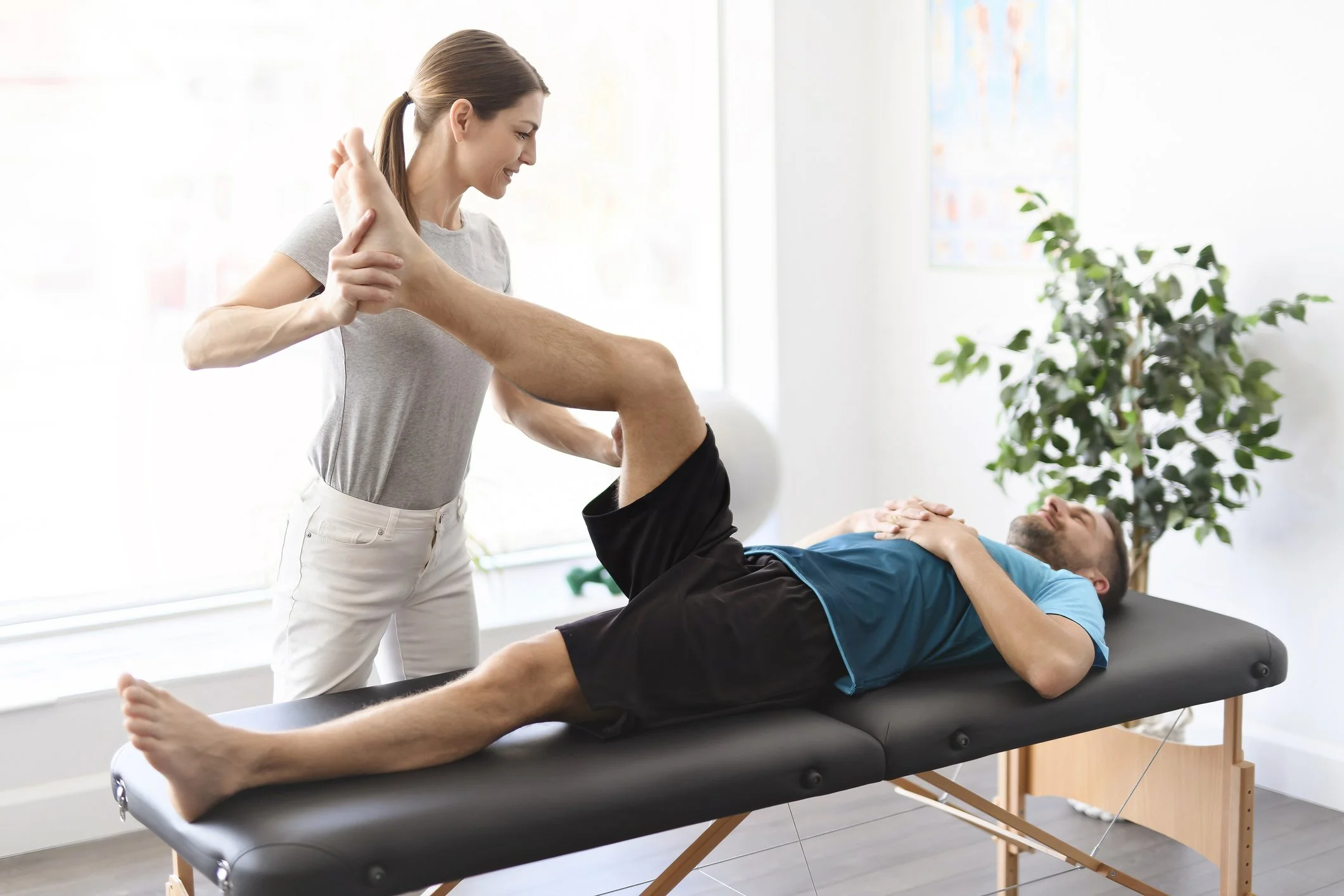
Stretch therapy is a form of assisted, table-based movement designed to improve flexibility, mobility, and overall movement quality.
At STRETCH Kinetics, sessions go beyond traditional stretching by integrating:
Joint and mobility work
Neuromuscular changes
Breath and core coordination
This approach allows us to address how your body actually moves not just how far it stretches.
What to Expect at Your Stretch Appointment
Every session is one-on-one and fully customized to your body.
During your session, you can expect:
A brief assessment of movement, mobility, and restrictions
Assisted stretch techniques performed on a table
Integration of soft tissue and mobility work as needed
A focus on nervous system regulation and controlled movement
Adjustments based on how your body responds in real time
Most clients notice a difference in how they move and feel after their first session.
What We Help With
Stretch therapy can help address:
Pelvic dysfunction
Limited joint mobility and stiffness
Athletic recovery and performance limitation
How STRETCH Therapy Can Help:
Stretch therapy may help improve:
mobility and flexibility
muscle and fascial tension
posture-related discomfort
recovery from repetitive strain
overall movement quality
Who Fascial Stretch Therapy Is For
Fascial Stretch Therapy is ideal for individuals who want more than a generic stretching session, including:
Athletes and active adults looking to improve performance and recovery
People experiencing stiffness, tightness, or restricted movement
Desk workers and professionals affected by posture-related tension
Individuals recovering from injury or surgery
Adults focused on aging well and maintaining mobility
Because every session is customized, this therapy is appropriate for a wide range of bodies, goals, and activity levels.
This approach addresses multiple systems that influence movement:
Fascia, which connects and transfers force throughout the body
Joint mobility and capsule restrictions
Neuromuscular control and coordination
Nervous system input that influences muscle tone
By integrating these components, stretch therapy creates more lasting improvements in mobility and movement.
Why this approach works . . . Traditional stretching often focuses only on muscles.
Results You Can Expect
With consistent sessions, clients often experience:
Improved flexibility and range of motion
Decreased muscle tension and pain
Better posture and movement efficiency
Improved performance and recovery
What Is Muscle & Fascia (Myofascial) Stretch Therapy?
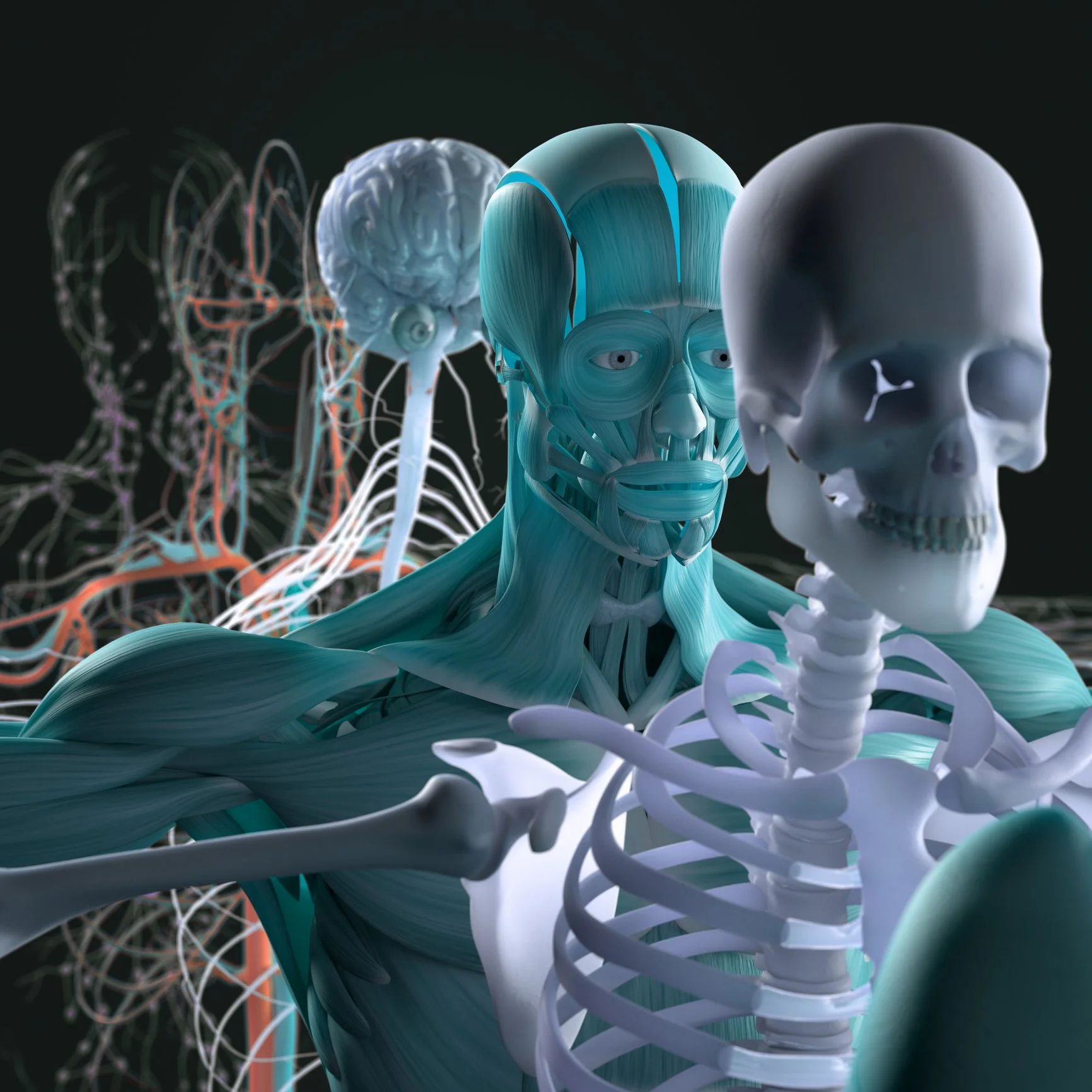
Fascia is a three-dimensional connective tissue system that surrounds and connects muscles, joints, nerves, and organs throughout the body. It plays a key role in how your body moves, transfers force, and responds to stress.
When fascia becomes restricted, it can contribute to:
Stiffness
Limited mobility
Postural compensation
Pain in the back, hips, shoulders, or neck
This is why stretch therapy STRETCH Kinetics goes beyond isolated muscles. We assess how your entire system is functioning including joint mobility, neuromuscular control, and fascial restrictions to restore more efficient, pain-free movement.
Most people are told they’re “just tight.” In reality, it’s often a system and not a single muscle.
From Our Clients“The perfect stretch place in Atlanta. I’ve had years of chronic back pain despite numerous attempts to improve through specialists, therapy, and medication. After just a few visits to Stretch Kinetics I was seeing significant improvement and range of motion along with significantly reduced pain to the point it’s no longer a daily issue. Great and professional!!” — P.M.
FAQ’s
-
No. While some soft tissue techniques may be used, stretch therapy focuses on improving mobility, joint movement, and neuromuscular control.
-
Sessions are designed to be effective but not aggressive. Most clients describe the stretches as deep but comfortable. Stretch Therapy should never be painful, intense, but never painful. Always let your therapist know if you are experiencing pain - we can usually adjust but still keep the stretch.
-
This depends on your goals, but many clients benefit from weekly or bi-weekly sessions.
-
Stretch therapy is beneficial for individuals experiencing pain, stiffness, limited mobility, or looking to improve performance and recovery.